
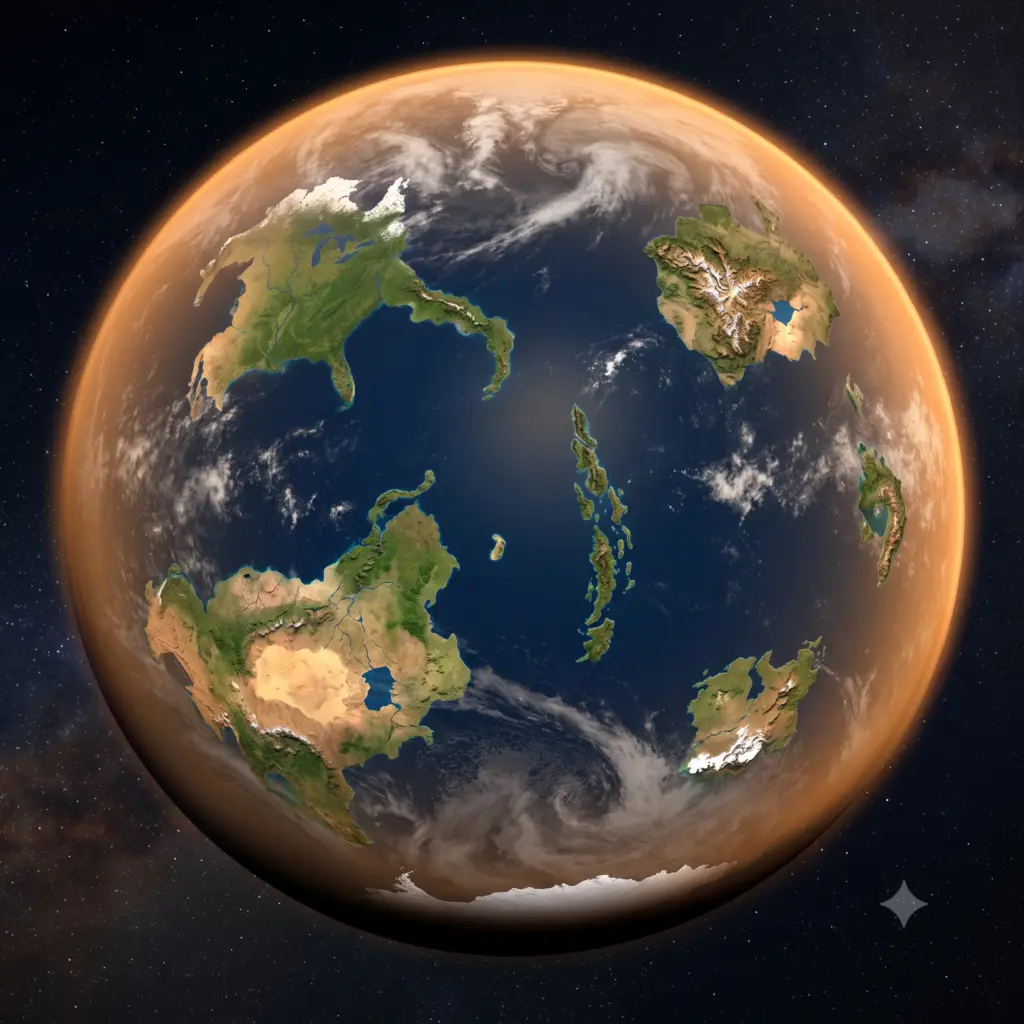
Building Diatis: Ancient Gods, Created Races, and a World Shaped by Domination
The foundation of my Diatis world and campaign comes from an idea that has fascinated me for a long time: what if the old stories of gods, giants, Nephilim, and strange ancient beings were rooted in something more physical? What if powerful beings came to Earth, altered life through genetic manipulation, and left behind the myths that later cultures tried to explain?
That idea is the starting point for Diatis.
In this campaign setting, a group of godlike beings arrives in a new land and begins reshaping it for their own purposes. They terraform the world, create new races, and set those creations into motion as part of a larger struggle for domination. To the people living in this world, these beings are gods. But behind the divine language is something more complicated: creators, experimenters, conquerors, and rivals using an entire world as the board for their great game.
That raises the questions that are driving much of the worldbuilding.
What would a world look like if it had been intentionally shaped by competing powers? What kinds of creatures would those powers create? What would happen when those creations did not turn out as planned? What would the “mistakes” look like, and where would they go after being rejected or abandoned?
Just as important, how would this struggle affect the races and cultures that came from it? If your people were created for a purpose, do you accept that purpose, rebel against it, or build something entirely new from the ruins of your creators’ plans?
These are the questions I am exploring as I build the background, pantheon, cultures, and conflicts of Diatis.
Choosing the Right Game Engine
The other major decision has been choosing which TTRPG system should carry the campaign. There are a lot of game engines available, and I am sure there are many I have not even discovered yet. For Diatis, I decided to use Kevin Crawford’s Worlds Without Number.
That choice came down to fit. The setting material and assumptions in Worlds Without Number feel close to the kind of world I am building: ancient powers, strange ruins, lost knowledge, dangerous wilderness, and societies living in the shadow of forces they do not fully understand. It gives me a strong framework without forcing the world into a shape that does not belong to it.
Just as importantly, I think the adjustments needed for Diatis can be made without throwing the game out of balance. The system already supports exploration, faction conflict, old magic, and worlds with deep histories. Those are all essential to the campaign I want to create.
What Comes Next
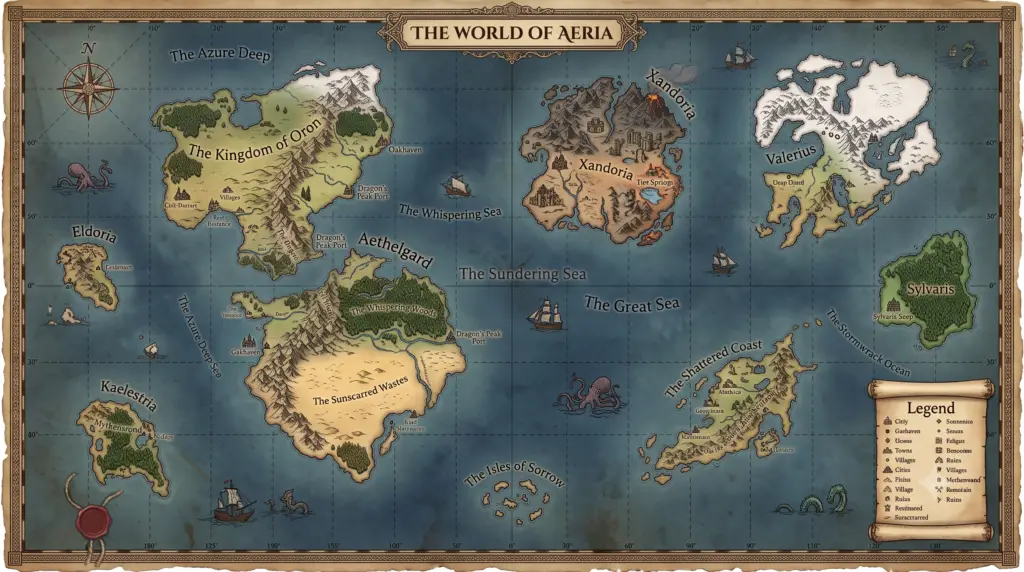
I am currently working on the original gods of Diatis and the lands they chose for their battle of domination. That list should become one of the core pieces of the setting, because each godlike creator will shape not only a region of the world, but also the races, monsters, myths, and conflicts tied to that region.
I also plan to talk more about the books and ideas that are influencing the project. Diatis will draw from mythology, ancient astronaut theories, fantasy fiction, history, and speculative science. The goal is not to copy any one source, but to blend themes and ideas into a world that feels strange, ancient, and alive.
Diatis is still growing, but the foundation is now clear: a world shaped by beings worshiped as gods, populated by races created for a purpose, and haunted by the consequences of a game of domination that began long before the current age.
There is much more to come.